

Life has a funny way of throwing curveballs when you least expect them. A sudden job loss, a transmission failure in your car, or an unexpected medical bill can turn your world upside down in an instant.
In 2026, with economic uncertainty still lingering and inflation affecting the cost of living, having a financial safety net isn’t just a «nice to have»—it is an absolute necessity.
But what exactly is an emergency fund? How much is enough? And most importantly, where should you keep it to ensure it grows without losing value to inflation? This comprehensive guide will walk you through everything you need to know to bulletproof your finances this year.
What is an Emergency Fund? (And What It Isn’t)
An emergency fund is a stash of money set aside exclusively to cover the financial surprises life throws your way. Think of it as your personal insurance policy against debt.
It IS for:
- ✅ Job loss or income reduction.
- ✅ Unexpected medical or dental emergencies.
- ✅ Major car repairs (not routine oil changes).
- ✅ Urgent home repairs (like a leaking roof).
It is NOT for:
- ❌ A last-minute vacation.
- ❌ The new iPhone 17.
- ❌ Christmas gifts.
- ❌ routine car maintenance (tires, oil changes).
Why You Need an Emergency Fund in 2026
You might be thinking, «I have a credit card for emergencies.»
This is a dangerous trap. In 2026, credit card interest rates are hovering around 22-25%. If you put a $2,000 emergency car repair on a credit card and pay the minimums, you could end up paying double that amount over time.
An emergency fund gives you options:
- It keeps you out of debt: You pay cash for the problem instead of borrowing.
- It reduces stress: Knowing you have $10,000 in the bank changes how you sleep at night.
- It gives you freedom: If you hate your toxic job, an emergency fund gives you the power to quit and look for something better without panic.

The Golden Question: How Much Do You Really Need?
The old «rule of thumb» was $1,000. In 2026, $1,000 barely covers a set of new tires. You need more.
Level 1: The Starter Fund ($2,000 – $3,000)
If you are currently in debt, stop everything and build a small starter fund of one month’s expenses (or roughly $2,000). This protects you from small mishaps while you aggressively pay off your debt.
Level 2: The Full Fund (3-6 Months of Expenses)
Once you are debt-free (except for your mortgage), aim for a fully funded safety net.
- Aim for 3 Months if:
- You are single and healthy.
- You have a stable job with low turnover risk.
- You rent your home (no surprise roof repairs).
- Aim for 6+ Months if:
- You have a family or dependents.
- You own a home (houses break… expensive things).
- You work in a volatile industry (tech startups, sales).
- You have variable income (freelancer/entrepreneur).
Pro Tip: Calculate your «Bare Bones» budget. This isn’t what you spend now; it’s what you would spend if you lost your job tomorrow (Mortgage + Food + Utilities + Insurance). Multiply that number by 6.
Where to Keep Your Emergency Fund in 2026?
STOP! Do not leave $15,000 sitting in your regular checking account earning 0.01% interest. You are literally losing money to inflation every day.
You need a High-Yield Savings Account (HYSA).
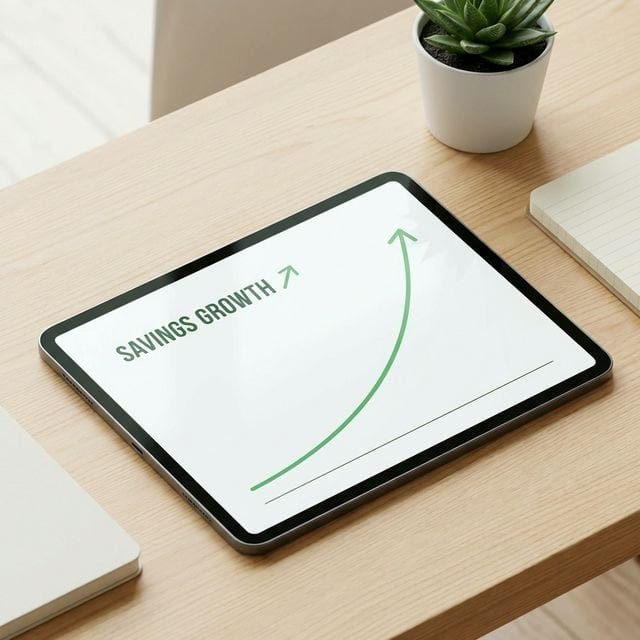
In 2026, HYSAs are paying competitive rates (often 4.00% – 5.00% APY). This means your emergency fund is accessible (liquid) but is also fighting back against inflation.
Top Recommendations for 2026:
- Ally Bank: Consistently high rates and great «buckets» feature.
- Marcus by Goldman Sachs: No fees, solid app.
- Capital One 360: Great if you want a physical branch option (cafes).
- SoFi: Offers high APY if you set up direct deposit.
(We will review these in depth in our upcoming «Best Banks 2026» guide).
How to Build It Fast: A Step-by-Step Strategy
Building a $10,000 fund sounds daunting. Here is how to eat the elephant one bite at a time.
1. The «Audit & Cut» (Weekend Project)
Print out your last 3 months of bank statements. Highlight every recurring subscription you don’t use. Cancel them. Highlight every «eating out» transaction. Cut it in half. Users often find $200-$400/month just by doing this.
2. Automate It
«Pay yourself first.» Set up an automatic transfer from your checking to your HYSA for the day after your payday. If you wait until the end of the month to save what’s left, there will be nothing left.
3. Windfalls = Wealth
Did you get a tax refund? A work bonus? A birthday check from Grandma? Don’t spend it. Send 100% of it to your emergency fund. This is the fastest way to make huge leaps.
4. The «Side Hustle» Sprint
If your budget is already tight, you have an income problem, not a spending problem. Can you drive Uber for 4 weekends? Can you sell old clothes on Poshmark? Can you freelance on Upwork? Dedicate all side income to the fund until it’s full.
Frequently Asked Questions (FAQ)
Q: Can I invest my emergency fund in the stock market? A: NO. The stock market is volatile. If you lose your job during a recession, the market might be down 30% at the same time. You would be forced to sell your stocks at a loss to pay rent. Keep your emergency fund in CASH (HYSA).
Q: What about a Roth IRA? A: While you can withdraw contributions from a Roth IRA penalty-free, we don’t recommend it for your primary emergency fund. Retirement accounts should stay invested for retirement.
Q: I have a lot of debt. Should I save or pay off debt first? A: Build a small «Starter Emergency Fund» ($1,000 – $2,000) first. Then, pause saving and attack your high-interest debt (credit cards) with everything you have. Once the debt is gone, go back and finish the emergency fund to 3-6 months.
Final Thoughts: It’s Not About the Money, It’s About the Peace
Building an emergency fund isn’t the most exciting financial goal. It doesn’t have the thrill of buying a new car or seeing a stock double in value.
But it is the foundation of everything else. It allows you to take risks, to invest without fear, and to live your life without the constant low-level anxiety that bills bring.
Start today. Transfer $50. It’s a start. And in 2026, a start is all you need.
Disclaimer: This article is for informational purposes only and does not constitute financial advice.





Deja una respuesta